Samsung Steps Forward With Flex Titanium Based Flexible Displays


 Olivia Hallisen
 24 Jul 2026
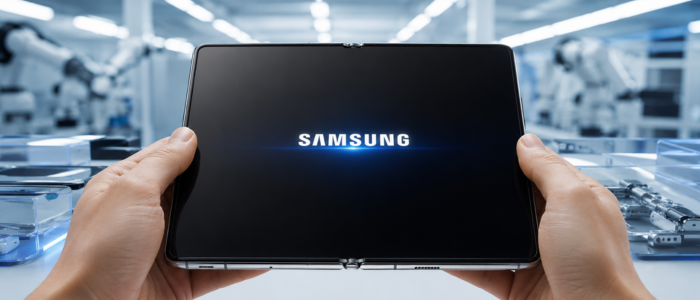
Foldable phones have changed the landscape of mobile by giving a larger display on a small area. But the screen itself still seems to be quite a challenge, as things like durability, visible creases and long-term reliability continue to be an area of concern for users. Therein lies the basis of Samsung Flex Titanium Technology, a new innovation that clarifies how Samsung's next generation of Galaxy Foldable Devices when addressing those issues and improving overall durability and watching experience. This new tech marks yet another step in Samsung's foldable evolution and is a sign that the company may not be done exploring options for high-end smartphone experiences anytime soon.
Samsung Flex Titanium Technology: What Is It?
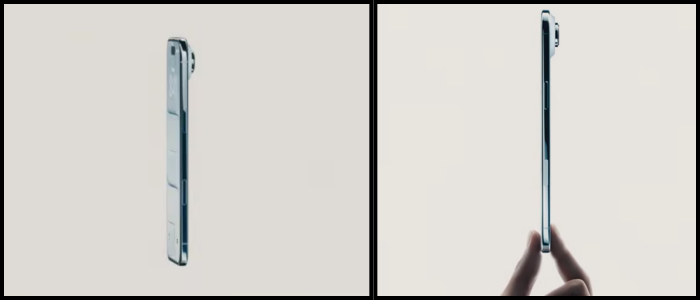
Samsung Flex Titanium Technology is a new architecture that includes two titanium-based materials: a titanium-alloy film and a layered support plate made from molecular-grade pure-titanium to enhance the strength and flexibility of the cells in Flexible Displays. Ultimately, it wants to build a thinner display, that still can be bended time after time and thus minimize the screen crease.
In contrast to previous designs for displays that have made use of polymer-based materials, Samsung's state-of-the-art engineering approach has called in titanium with equal parts lightweight build and exceptional structural stability. With this innovation, users are able to have a clearer viewing experience while still preserving the bendability that all foldable smart devices need.
Why Titanium Makes a Difference
Titanium is highly regarded for its excellent strength-to-weight ratio and resistance to wear, making it the material of choice in aerospace, medical equipment, and advanced engineering applications. By adding titanium into a Titanium Foldable Display, the inner structure of the display can be made round and still produce a thin device that offers durability.
The titanium-alloy film under the OLED panel offers many times more mechanical stiffness than conventional polymer films. The tube of titanium under the display is not just an incredibly expensive way to increase coupling with the display but also acts structurally to reduce air gaps away from normal use. It aims to limit the visibility of creases while also improving overall durability.
An Improved Experience for Foldable Smartphone Users
As for consumers likely to receive foldable smartphones, they will expect them to engage the same level of reliability as tradition flagship devices. The newest one, of course, will be Samsung's new Foldable Display Technology that concentrates on providing both the performance as well as durability to provide that confidence.
The redesigned display architecture is intended to endure through multiple folds while preserving vibrant visuals. Other components comprise next-gen organic display materials that enhance Power efficiency, allowing bright visuals without compromising on battery performance. These refinements combine to enhance the experience for entertainment, productivity, and everyday mobile use.
Strength Meets Flexibility
Building a long-lasting foldable display is challenging dynamically because the material must retain its flexibility and strength as well. To that end, Samsung has combined cutting edge material science with precisive manufacturing practices.
The result is a Flexible OLED Display with enhanced mechanical strength without device thickness increase. Samsung is constantly improving the opportunity of producing foldable smartphones which balance flexibility, slimness and robustness and as a consequence leading overall cost on the market for now with every new device.
What This Means for the Future of Galaxy Foldable Devices
Samsung Foldable Display represents Samsung's long-term dedication to developing innovations that support foldable technology. With today's smartphone users craving ever thinner, lighter and more resilient devices, we speculate that innovations such as Samsung Flex Titanium Technology are only going to become centre stage as we move further toward the future of Galaxy Foldable Devices.
Quality of life use eggs in the real world, and foldable devices are slowly becoming more practical for everyday use thanks to continuous improvements in display engineering, hinge design, and material technology. Samsung's new innovation showcases how real-world user issues have been addressed through mobile evolution.
Also Read: Apple Unveils New Pride Collection for 2026 Celebrating Diversity, Inclusion and Self-Expression
Conclusion
South Korean electronics giant, Samsung has debuted a new technology that is an essential element in the evolution of Foldable Display Technology, the Samsung Flex Titanium Technology. Incorporating titanium-based materials into its display structure, Samsung has been able to reduce crease visibility while still benefitting flexibility, which brings about greater viewing experience and higher durability. Innovations like these will continue to help shape the future of mobile technology, as the demand for premium Galaxy Foldable Devices continues to increase. Samsung cover photo Keep your artsy attempts low-res: Samsung's huge OLED breakthrough goes to smartphones firstFor users on the hunt for sleek, next-generation smartphone experiences, inking displays represent a massive step towards tougher, thinnerand more durable foldables.
FAQS About Samsung Foldable Phone
1. What is Samsung Flex Titanium Technology?
Samsung Flex Titanium Technology is a foldable display structure that constructs a titanium-alloy film and then on top of that, utilizes such technology with an isolated titanium support plate to boost durability, flexibility and decrease the visibility of screen crease.
2. Why is titanium used in Samsung foldable displays?
Moving on to the metal, titanium is super strong yet lightweight that'll create lots of durable but flexible Foldable Smartphone Displays.
3. How does Flex Titanium improve foldable smartphones?
It increases structural soundness, reduces folds on the display, boosts durability and also offers a better mobility for slim devices for an overall improved user experience.
4. Which Samsung devices will feature Flex Titanium Technology?
The technology will make its debut on the company's upcoming Galaxy Foldable Devices, Samsung said.
5. Does Flex Titanium improve display quality?
Yes. In addition to the structural upgrades, Samsung has also included a new display architecture and enhanced organic materials that increase power efficiency while providing a more immersive viewing experience.