iPhone 17 and Air Introduce Powerful Spyware Protection


 Anjali Chauhan
 11 Sep 2025
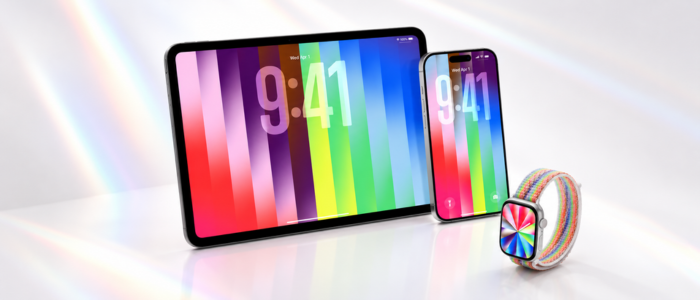
Apple's first iPhone Air and its newly released iPhone 17 series have grabbed headlines due to their stylish designs, fun colours, new cameras, and upgraded practical performance. But one addition that could potentially change the face of mobile safety is a significant security upgrade intended to protect users from advanced spyware attacks, such as Pegasus.
Memory Integrity Enforcement—A New Layer of Protection
On September 9, Apple announced that it has included a defence system called "Memory Integrity Enforcement" (MIE) in its latest devices. Built into the A19 and A19 Pro chips, it extends into the operating system and development tools, and is intended to find memory vulnerabilities in device memory and fix them, to prevent an attacker from hacking the user's iPhone with complex spyware.
Apple stated that MIE is the first, always-on, complete memory-safety protection system in the industry, providing security for important areas, including the kernel and over 70 userland processes. It will be supported by the Enhanced Memory Tagging Extension (EMTE)—a modified version of a tool released by Arm to help locate and fix memory corruption problems from hardware.
Which Devices Will Support MIE?
MIE will be used in all models of the iPhone 17 series and also in the iPhone Air. Apple described MIE as the most important memory safety improvement in the consumer operating system domain ever, as it will reduce the likelihood of exploiting memory corruption vulnerabilities on its devices.
The new improvement in protection follows Apple notifying users around the world that they are potentially being targeted by government spyware. In July, Apple notified dozens of people in Iran that their devices were compromised. Two years earlier, states like India also warned others, including higher profile leaders like Shashi Tharoor and Mahua Moitra, that their devices may be targeted by government-sponsored threats.
Experts have recognized MIE as an important advancement, while some have noticed that this technology builds on tools on some Android devices. Additionally, it is worth noting that while MIE can detect this blending of corruption, it is a step toward stronger memory tagging but not a complete solution. Since it is based on 4-bit tags to detect.. MIE does allow about 1 in 15 walks past the attacker, so there is still the chance for the attacker to bypass segments of the whole exploit.